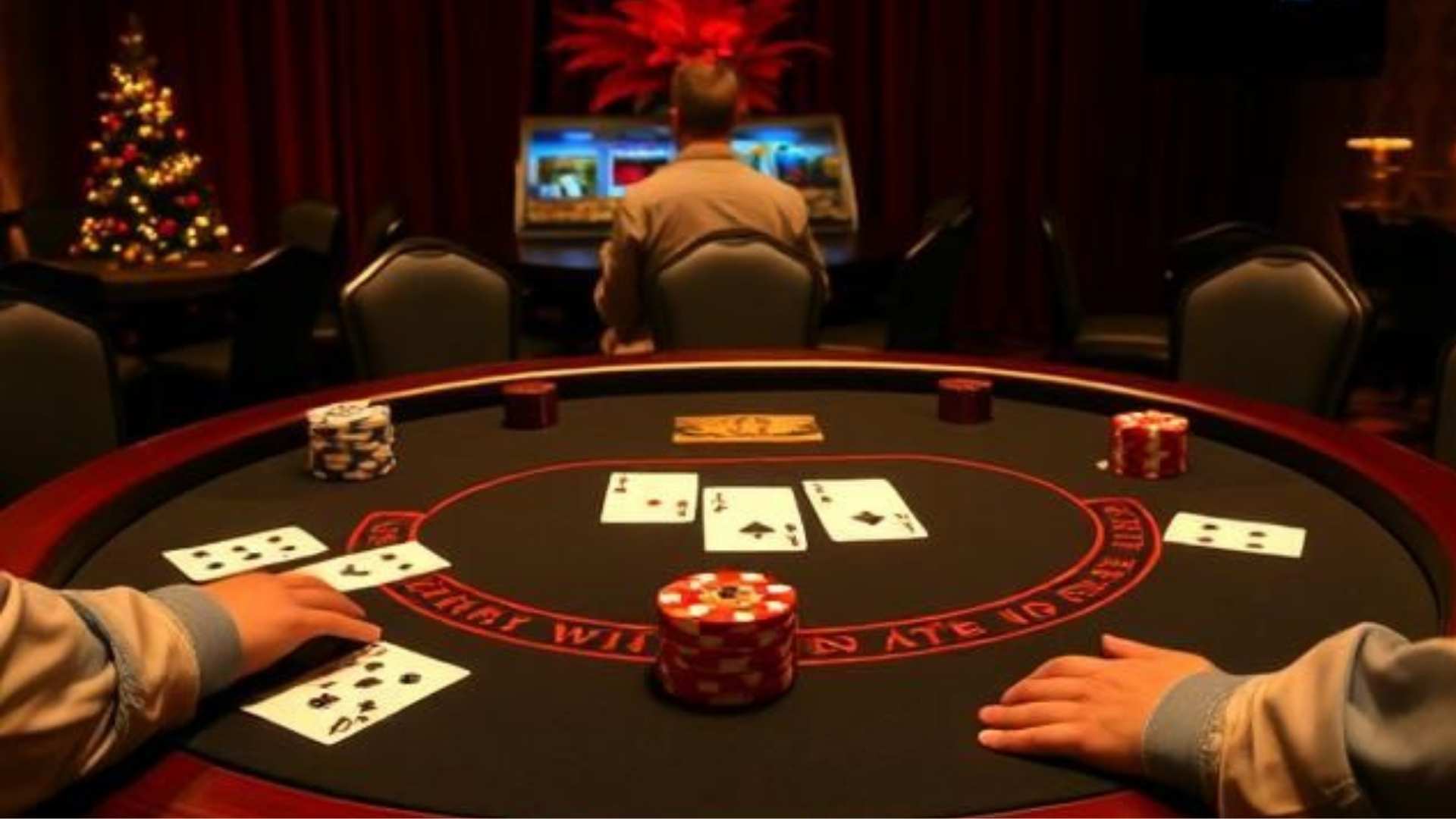
Mastering the game of poker requires much more than just memorizing card hierarchies and basic mathematical odds. True tactical superiority comes from the ability to analyze changing table dynamics and read complex situational factors in real time. Players who learn to evaluate the full context of a hand can consistently outmaneuver their opponents without relying solely on the luck of the draw.
Analyzing Table Dynamics and Opponent Trends
Every poker table develops its own unique rhythm and psychological atmosphere within the first few rounds of play. Observing how individual participants react under pressure or adjust their bet sizing provides invaluable data for future decisions. Recognizing these behavioral trends allows you to anticipate structural shifts in aggression before they directly impact your chip stack.
Furthermore, evaluating stack sizes relative to the blinds is essential for understanding the underlying motivations of everyone at the table. A short-stacked player will naturally take higher risks, while deep-stacked competitors may attempt to bully the rest of the field. Keeping a close eye on these situational variables helps you choose the perfect moments to strike or fold.
The Critical Role of Table Position
Position remains one of the most powerful yet frequently overlooked elements of an effective long-term poker strategy. Acting last gives you the definitive advantage of gathering complete information on your opponents' choices before making your own move. Disregarding this positional leverage often forces you into making highly speculative guesses under intense pressure.
When you hold positional advantage, you can effectively dictate the overall pace and final size of the pot. This flexibility allows you to execute precise bluffs or extract maximum value from premium hands with far less vulnerability. Platforms like M88 Mansion offer excellent environments to observe how experienced players leverage position to dominate competitive tables.
Evaluating the Texture of the Board
Reading the texture of the community cards is another vital milestone for achieving consistent victory. As the flop, turn, and river are revealed, the relative strength of every active hand shifts dramatically. A highly coordinated board with multiple drawing possibilities requires a completely different approach than a dry, disconnected runout.
Unsuccessful players often fall into the trap of overvaluing their preflop pairs without considering how the new cards favor an opponent's range. Developing the discipline to re-evaluate your actual standing on every single street prevents catastrophic chip losses. By aligning your betting strategy with the realities of the board texture, you can navigate high-stakes situations with total confidence.
Cultivating Complete Mental Resilience
Maintaining unwavering emotional stability is what ultimately separates professional card veterans from casual enthusiasts over extended sessions. Experiencing a sudden bad beat or an unlucky river card can easily trigger frustration and lead to a destructive state known as tilt. Once logical reasoning is replaced by impulse, decision quality quickly deteriorates and drains your hard-earned progress.
Cultivating acute self-awareness helps you recognize the initial signs of emotional fatigue before it damages your gameplay. Taking regular breaks and focusing entirely on objective probabilities ensures that every wager is backed by sound strategic thought. Ultimately, winning poker is a continuous exercise in managed risk, discipline, and superior situational awareness.