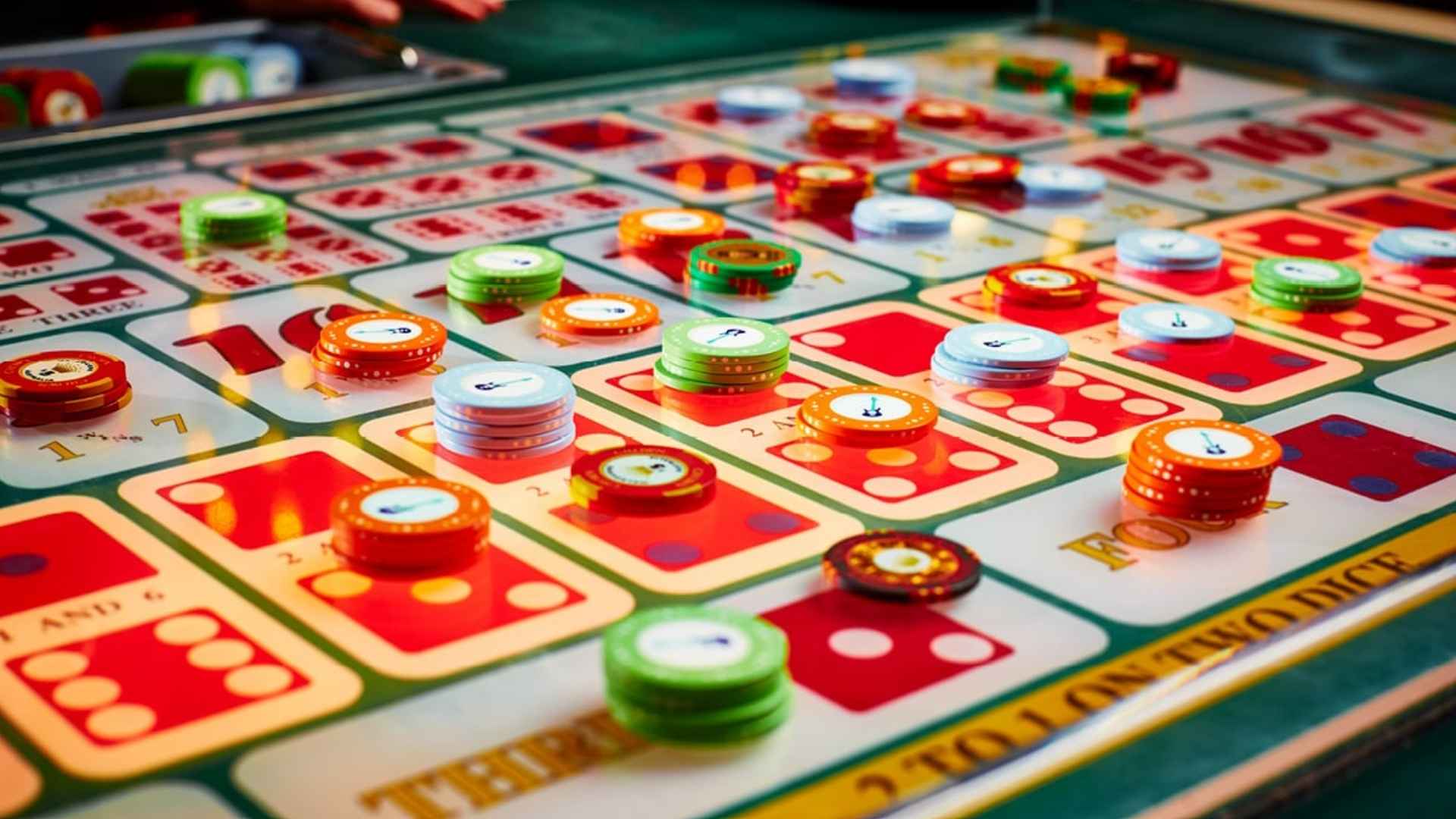
Human behavior is naturally drawn to the thrill of uncertainty, yet real-world decisions often carry steep liabilities. Utilizing a randomized spinner wheel allows individuals to experience the psychological excitement of taking a gamble without facing actual negative fallout. This unique dynamic bridges the gap between caution and curiosity, offering a structured environment where participants can test their luck safely.
The Psychology of Controlled Risk
When a participant initiates a spin, the brain experiences a brief spike in anticipation as the wheel gradually decelerates. This mechanical progression mimics the tension found in high-stakes environments, captivating human attention through visual suspense. Because the threat of genuine loss is removed, the experience becomes liberating rather than stressful.
This simulated jeopardy provides a valuable outlet for people looking to break away from highly calculated routines. By transforming a static choice into a dynamic game of chance, players satisfy their desire for unpredictability. The mind processes the near-misses and sudden wins as genuine entertainment, fostering a lighthearted atmosphere.
Simulating Stakes in Game Mechanics
Modern developers and event coordinators frequently use rotating interfaces to simulate authentic competitive scenarios. By adjusting the proportions of specific slices, creators can subtly manipulate the perceived difficulty of achieving a favorable outcome. This mathematical variation encourages players to assess probabilities and weigh potential consequences in real time.
Many entertainment platforms leverage these exact visual systems to maintain high user engagement through interactive feedback loops. For instance, individuals evaluating sports statistics and probabilistic systems on platforms like keonhacai.com m88 understand how mathematical distributions influence overall strategic planning. Applying similar transparent probability rules to casual spinner games ensures that every participant perceives the process as both fair and completely impartial.
Fostering Adaptability and Quick Thinking
Encountering unexpected outcomes within a controlled game forces individuals to adapt their strategies instantaneously. When a wheel settles on an unplanned challenge or a minor setback, players must navigate the new parameters creatively. This practice builds cognitive flexibility, teaching participants to accept sudden shifts in momentum with composure.
In educational and corporate training environments, these randomized hurdles serve as excellent tools for icebreaking and team building. Because the consequences are purely symbolic, team members feel comfortable making bolder choices and exploring unconventional solutions. The playful structure removes the fear of failure, which is often the primary barrier to innovative problem-solving.
The Value of Low Liability Boundaries
Ultimately, the enduring popularity of wheel challenges lies in their ability to deliver memorable experiences with zero long-term impact. They remind audiences that introducing elements of chance can revitalize mundane activities and spark spontaneous joy. By stepping into a temporary space governed purely by luck, individuals enjoy a brief escape from the heavy responsibilities of everyday decision-making.